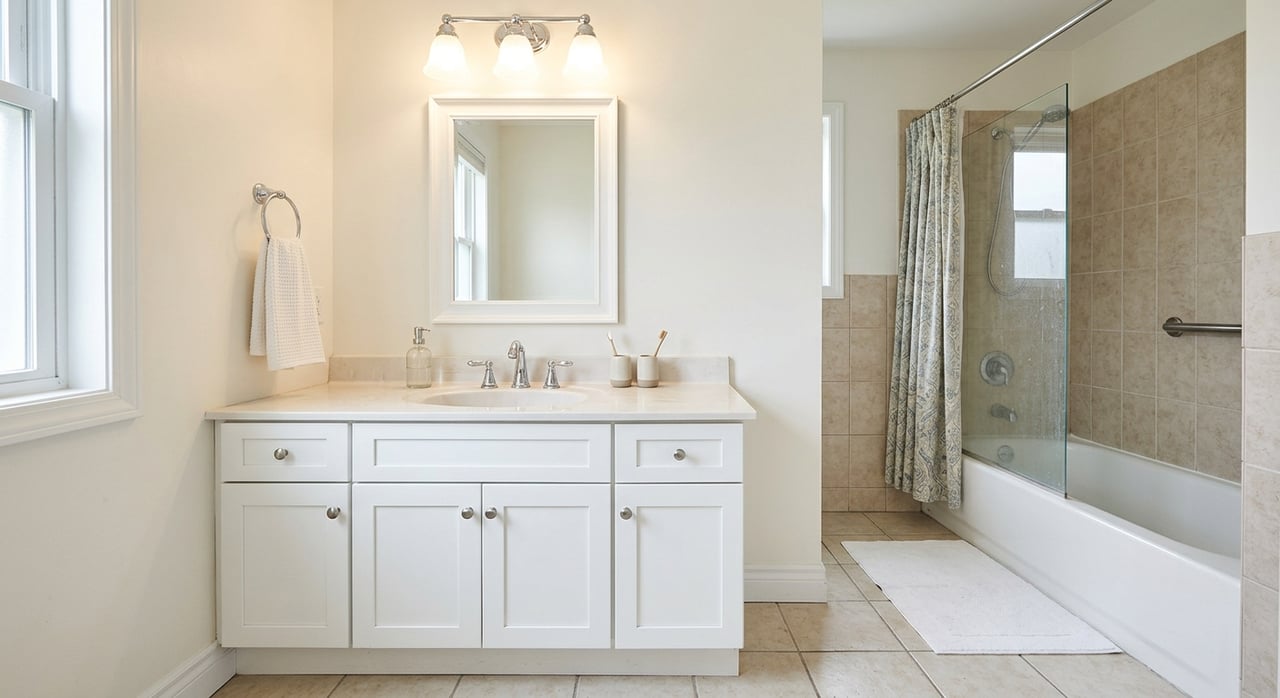
If you are looking at older homes in Stone Mountain and wondering whether one has real upside or just a long repair list, you are asking the right question. In this market, value-add potential is less about flashy before-and-after ideas and more about choosing the right house, the right scope, and the right budget. When you know what to look for, you can spot homes with solid potential and avoid costly over-improving. Let’s dive in.
Why Stone Mountain Offers Value-Add Opportunities
Stone Mountain stands out as a relatively affordable market with an older housing stock and a mix of owners and renters. The city’s 2019 to 2024 ACS estimates show a 49.8% owner-occupied rate, a median owner-occupied value of $206,400, a median gross rent of $1,540, and a median household income of $46,973.
That affordability matters if you are hoping to buy smart and improve over time. Redfin reported a March 2026 median sale price of $206K and a median of 88 days on market, which suggests you need to be selective and realistic about renovation timelines. In other words, there can be opportunity here, but not every fixer-upper is a great deal.
What Stone Mountain Homes Look Like
A lot of Stone Mountain’s housing reflects suburban growth from the 1970s and 1980s. A City of Stone Mountain community assessment found that by 2000, 38% of homes were built in the 1980s and 34% in the 1970s. Homes south of Stone Mountain Village also commonly date from the 1970s through the 1990s.
That age profile gives you an important clue. Many homes with value-add potential are not blank-slate new builds. They are older ranches and split-levels with workable layouts, usable lots, and finishes that may feel dated today.
Georgia’s Historic Preservation Division notes that Ranch and Split-Level houses are common in mid-20th-century Georgia neighborhoods. Split-level homes were especially popular from the 1950s through the 1970s, which fits the housing patterns seen in Stone Mountain. That makes this market a natural place to find homes with solid bones and room for cosmetic improvement.
Best Home Types for Value-Add Potential
Ranch Homes in Stone Mountain
Ranch homes are a strong value-add candidate because the layout is usually simple and practical. In many cases, you do not need to change the footprint to improve the way the home feels. Better lighting, cleaner sightlines, updated finishes, and a more open-feeling living area can make a noticeable difference.
The goal with a ranch is usually not to turn it into something completely different. It is to make the home feel brighter, fresher, and more functional while staying true to its size and price point.
Split-Level Homes in Stone Mountain
Split-level homes can also offer strong upside, but the opportunity often shows up in different places. Entry flow, stair presentation, lower-level usability, and visual connection between spaces can all affect how a buyer or renter experiences the home.
Georgia DCA notes that split-levels were an economical response to smaller lots and higher land costs. That helps explain why many of these homes have compact, efficient footprints that respond well to smart cosmetic updates instead of major structural changes.
Features That Often Signal Upside
When you are touring homes in Stone Mountain, certain traits can point to good value-add potential.
Look for Solid Basics
A home becomes much more interesting when the major pieces are already serviceable. That includes a sound structure, workable systems, a serviceable roof, and a layout that fits the surrounding housing stock.
If those basics are in place, cosmetic improvements can go much farther. You may be able to create stronger perceived value without taking on a full-scale renovation.
Look for Mature Lots and Exterior Presence
Stone Mountain is known for established subdivisions, large yards, and tree-filled pockets. In settings like that, exterior presentation can have an outsized effect on first impressions.
Simple work such as landscaping, paint touch-ups, fencing, porch improvements, and driveway cleanup can make a home look much more cared for from the street. That does not guarantee a specific return, but it aligns well with the local housing pattern and buyer expectations.
Look for Dated, Not Broken
One of the best signs of value-add potential is a home that feels behind the times but still functions well. Think older cabinet hardware, worn paint colors, outdated lighting, or baths and kitchens that need refreshing rather than complete reinvention.
That kind of house often gives you room to improve appearance and appeal without blowing up the budget. In a market like Stone Mountain, that balance matters.
Renovations That Tend to Make Sense
National remodeling data show that buyers are paying close attention to home condition. The 2025 NAR Remodeling Impact Report says 46% of buyers are less willing to compromise on condition than they were in the past.
That helps explain why visible, practical updates tend to carry more weight than highly customized projects. Sellers and buyers alike usually benefit most from improvements that make a home feel clean, maintained, and move-in ready.
High-Impact Updates to Consider
In Stone Mountain, the strongest value-add projects often include:
- Fresh neutral paint
- Updated lighting
- Repaired or replaced doors
- Clean flooring transitions
- Modern cabinet hardware
- Simple backsplash updates
- Refreshed bathrooms
- Basic curb appeal improvements
These are not dramatic luxury projects, and that is the point. In many homes, this level of renovation can improve the home’s look and feel without pushing it beyond neighborhood expectations.
Why Smaller Upgrades Often Win
Atlanta metro cost-vs-value data supports a measured approach. In the Atlanta market, 2024 JLC/Remodeling data showed steel entry door replacement recouping 189.1% of cost, garage door replacement recouping 193.9%, a minor kitchen remodel recouping 88.4%, a midrange bath remodel recouping 73.7%, vinyl window replacement recouping 67.1%, and roof replacement recouping 56.9%.
The takeaway is clear. Smaller, visible upgrades often perform better than expensive, highly customized overhauls. If you are evaluating a Stone Mountain home, that should shape how you think about scope from day one.
How to Avoid Over-Improving
This is where many buyers and small investors get into trouble. A house can have renovation potential and still be a poor value-add project if the planned upgrades are too expensive for the home’s price band.
With median sale prices around the low $200Ks and marketing times measured in weeks rather than days, Stone Mountain is usually better suited to disciplined, mid-level improvements than major reconfiguration. The safest play is often to match the renovation to local comps and neighborhood norms rather than trying to create the most upgraded home on the block.
Due Diligence Before You Renovate
Stone Mountain’s location and lifestyle appeal can help support demand. Stone Mountain Park covers 3,200 acres and offers 15 miles of hiking and walking trails, and the area also benefits from access to Atlanta and MARTA connections.
Even so, location appeal does not replace due diligence. Before you move forward with a value-add plan, make sure you understand any rules that may affect exterior work.
Check Historic District Requirements
If a property is near Stone Mountain’s historic core, do not assume exterior changes are straightforward. DeKalb County says that within a historic district, a material change in appearance requires a Certificate of Appropriateness before work begins.
That can be especially important if you are planning to replace windows, change siding, or alter other visible exterior elements. Verifying those requirements early can help you avoid delays and unexpected costs.
A Smart Value-Add Mindset
In Stone Mountain, the best opportunities are often not the most dramatic homes. They are the houses with a practical layout, solid basics, cosmetic upside, and enough room for thoughtful updates that improve appeal without overshooting the market.
If you approach the process with realistic numbers and a clear plan, you can find homes that offer meaningful upside. The key is to focus on homes that need smart improvement, not endless rescue work.
If you want help evaluating whether a Stone Mountain home has real value-add potential, Mara Santos brings practical market knowledge, local insight, and real investing experience to help you buy with a clear strategy.
FAQs
What types of homes in Stone Mountain usually have value-add potential?
- Older ranches and split-levels often stand out because they tend to have functional layouts, usable lots, and cosmetic update potential.
What renovations should buyers prioritize in Stone Mountain homes?
- Paint, lighting, doors, kitchen and bath refreshes, flooring cleanup, and curb appeal improvements are often the most practical first steps.
What is the biggest risk when renovating a Stone Mountain home?
- One of the biggest risks is over-improving beyond the home’s price range or neighborhood norms, which can make it harder to justify the renovation cost.
Are split-level homes in Stone Mountain worth considering?
- Yes. Split-levels can offer upside through better entry presentation, improved lower-level usability, and smart cosmetic updates.
Do Stone Mountain buyers need to check for renovation restrictions?
- Yes. If a home is in a historic district, exterior changes that create a material change in appearance may require a Certificate of Appropriateness before work begins.
